PalCast released a new episode featuring Arab American poet and essayist Yahia Lababidi, a writer of Palestinian descent whose work has explored questions of conscience, justice, and witness. In conversation with hosts Yousef and Tony, Lababidi reflected on his forthcoming book, If You Cannot Say Genocide, and discussed why naming Israel’s genocide in Gaza matters. The episode also examined the role of poetry in preserving humanity during times of mass violence and the political and cultural shifts taking place in the United States.
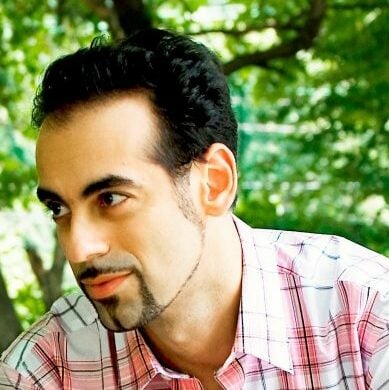
During the discussion, Lababidi explained that the title of his book came from a poem he wrote more than two years ago, challenging readers to confront the reality of genocide instead of avoiding the word. He described poetry as a form of “spiritual journalism” that reaches beyond facts to remind people of their shared humanity. Drawing on the work of writers such as Mahmoud Darwish and Refaat Alareer, he argued that poetry helped make distant suffering immediate and personal while appealing to the conscience of the reader.
The conversation also explored changing attitudes toward Palestine in the United States. Lababidi spoke about extending empathy to people whose views had evolved, arguing that greater understanding often led to greater moral clarity. He also reflected on censorship within the American publishing and cultural sectors, recounting how his book Palestine Wail was dropped by its original publisher out of fear of backlash. He described how his writing had developed from poetry into essays that documented events, challenged public silence, and engaged with the work of leading historians and thinkers. The episode concluded with a discussion of growing public support for Palestinian rights and the possibility of lasting political change despite the immense human cost.
The latest episode of PalCast offered a thoughtful and timely conversation on language, literature, and moral responsibility in the face of genocide. Listen to the full discussion, now available on Apple Podcasts and Spotify, and share it with others to help broaden the conversation and amplify these important voices.