
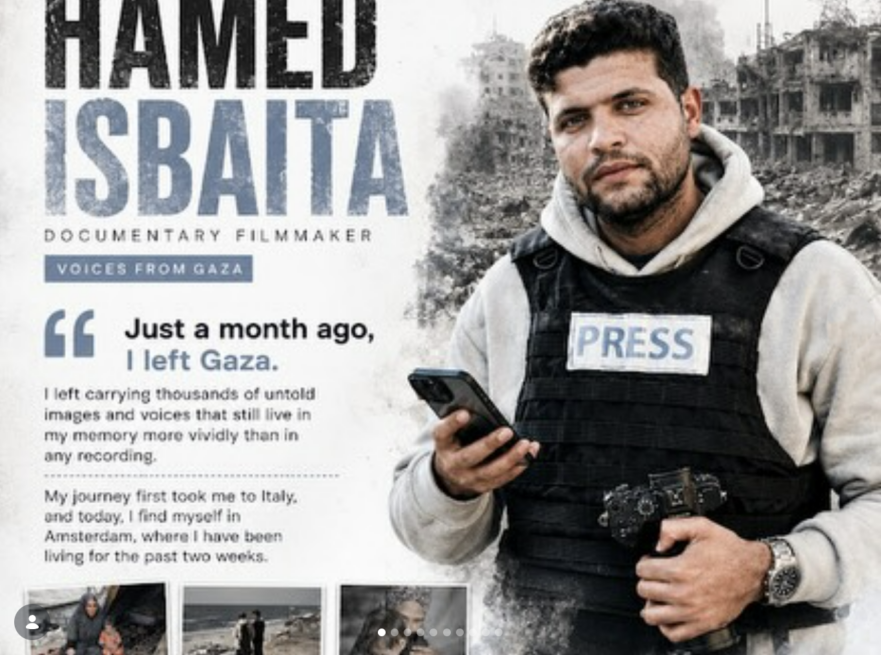
In this episode of PalCast, hosted by Yousef and Tony, Palestinian journalist, editor, and documentary filmmaker Hamed Isbaita joined the hosts to discuss his experience documenting the genocide in Gaza, the personal toll of witnessing and filming its horrors, and his evacuation to Amsterdam five months ago. Titled “Am I Going To Die, Mom?”, the episode explored the stories behind his footage, the loss of colleagues, and his determination to preserve an archive that records what happened to Gaza and its civilians.
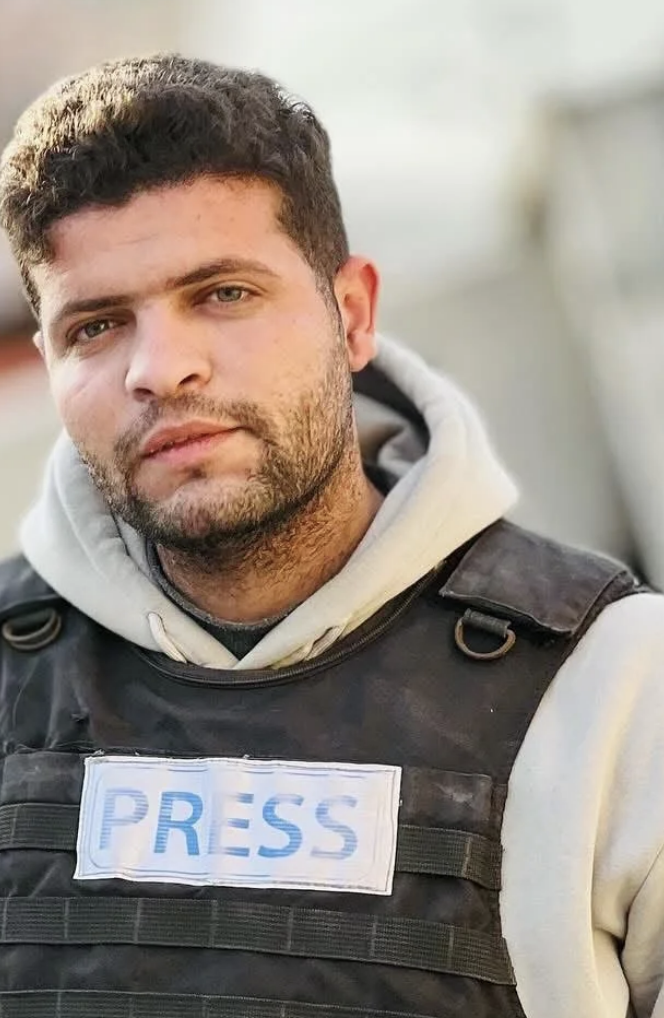
Hamed recounted how he began documenting the genocide, initially spending two months trying to locate colleagues who had been displaced. Living in a tent near Kuwait Hospital in Rafah, he worked with international media outlets, including the BBC and Sky News, while filming the lives of civilians in displacement camps. He recalled filming a young girl who told her mother, “Mom, I will die,” during a period when food was not entering Gaza. Unable to continue filming, he returned two weeks later to follow up, only to learn from a doctor that the girl had died. He also described the dangers journalists faced at hospitals, the repeated bombing of their tents, and the loss of friends and colleagues despite wearing press jackets. When he was evacuated, he was allowed to take nothing with him except his archive of footage, which he now considers his most important possession.
The conversation also explored Hamed’s struggle with survivor’s guilt and the difficulty of adjusting to life in Amsterdam while his family remained in Gaza. Although he had physically left, he described feeling as though his mind was still there, carrying another war inside his body and struggling to understand what a future could look like. A massive Red Line protest in Amsterdam, attended by around 250,000 civilians, gave him renewed hope and made him feel less disconnected from the city.
The hosts also discussed Gaza’s worsening winter conditions, flooding displacement tents, destroying belongings, and killing civilians, including children. They reflected on the importance of solidarity, arguing that protests and public awareness must translate into political pressure, sanctions, and concrete action. Hamed continued working on his film, “The Blue Messenger,” and on finding ways to share his archive, believing that documenting Gaza remains essential when international journalists cannot enter.
Listen to the full episode on Apple Podcasts and Spotify. Hear Hamed’s story, learn about the experiences behind his footage, and share the episode with others to help bring these stories to a wider audience.