
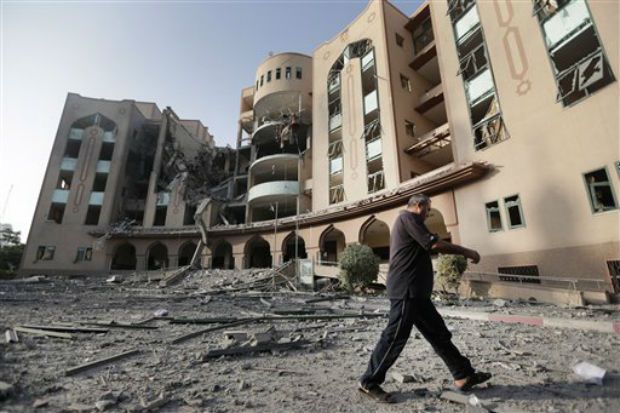
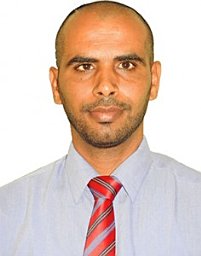
In the latest episode of PalCast, “Educating for the Future in Gaza,” hosts Yousef and Tony spoke with Dr. Mahmoud Altarabin, an Associate Professor of Translation and Linguistics and Deputy Head of the Department of English at the Islamic University of Gaza. Joining the conversation from his displacement tent in Khan Younis, Dr. Mahmoud discussed the devastating impact of the ongoing genocide on education, the challenges facing students and educators, and the steps needed to rebuild Gaza’s education system. Drawing on his experience as an academic and researcher, he explained how he had continued teaching under extremely difficult conditions and why supporting students’ education and well-being must remain a long-term priority.
The war that began in October 2023 brought educational activities at the Islamic University of Gaza to a halt for seven months, with classes not resuming until May 2024. To compensate for the lost time, the university shortened its semesters, while face-to-face teaching only resumed shortly before the recording. Students continued to struggle with unreliable electricity, limited access to devices, and the lack of quiet places to study, all of which affected their academic performance. Dr. Mahmoud also described the personal costs of continuing his work, including buying expensive solar panels and securing internet access through an Israeli SIM card and a light beam system. These efforts allowed him to maintain his teaching, but they remained beyond the reach of many students and educators. He also recounted a terrifying night when drones circled his tent and tanks appeared nearby, forcing his family to flee temporarily.
Discussing the path towards educational recovery, Dr. Mahmoud outlined four priorities: providing safe learning spaces and basic study materials, identifying gaps in students’ education, ensuring teachers receive adequate financial and practical support, and integrating psychological well-being into education. He stressed that the disruption had left students with significant learning gaps, particularly younger children who had lost years of schooling. University students also remained underserved by existing psychological support programmes, while educators were struggling with their own traumatic experiences. For students trying to resume their studies, he recommended setting small, realistic goals, maintaining manageable routines, staying connected with instructors, and identifying specific areas where they needed help. He emphasised that students should not blame themselves for falling behind or judge their abilities by the standards of normal academic conditions. Looking beyond immediate needs, he called for sustained support from international academia and other supporters, arguing that educational recovery would take years and that assistance should recognise Palestinians as people with ambitions, skills, and ideas, rather than viewing them only through their suffering.
The conversation highlighted the urgent need to protect educational opportunities in Gaza and build a lasting response to the challenges facing its students and educators. Dr. Mahmoud called on supporters to turn their concern into practical, long-term commitments, including regular assistance that could sustain educational recovery over time. His message also underscored the importance of solidarity with Palestinian academics and students as they work to rebuild their lives and pursue their ambitions despite extraordinary circumstances. The full episode is now available on Apple Podcasts and Spotify. Listen to the episode and share it with others to help bring attention to the challenges facing education in Gaza.