
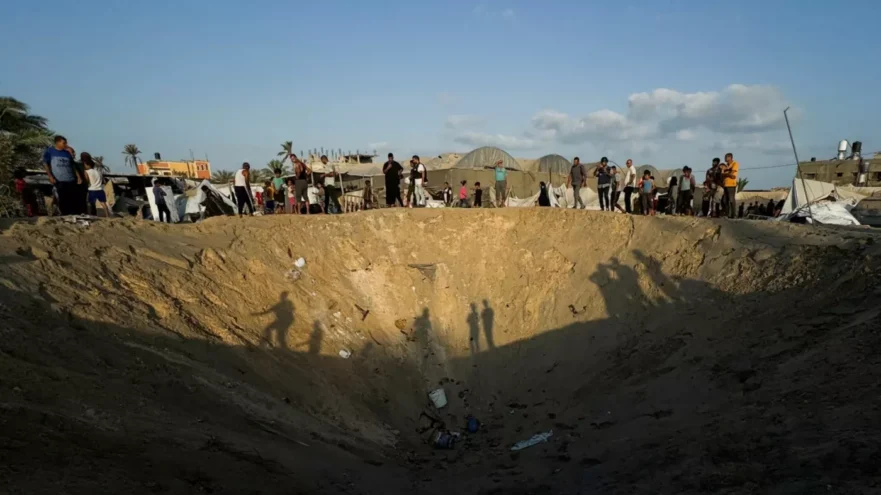
Photo credit: Mohammed Salem/Reuters
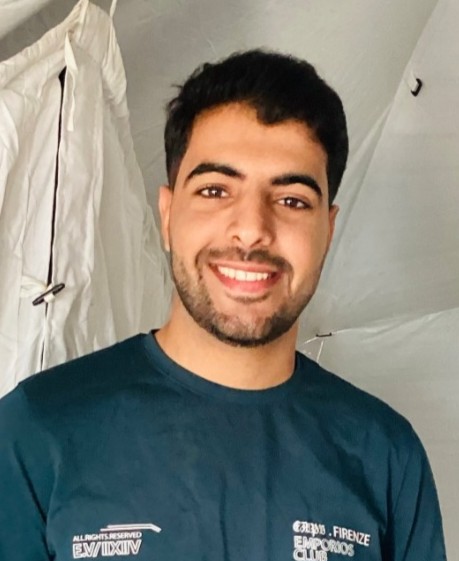
The latest episode of PalCast featured Hassan Herzallah, an English Literature graduate, writer and translator from Rafah, Gaza, Palestine. Speaking with hosts Yousef Aljamal and Tony Groves, Hassan described his experience of displacement, famine and Israeli attacks while living in a tent in Al-Mawasi. He also discussed his determination to document life under genocide, complete his university degree and speak about the reality facing Palestinians in Gaza.
Hassan had lived in Al-Mawasi for nearly two years after being forced to leave Rafah. On May 6, 2024, he and his family received evacuation orders and had only three to four hours to leave. After moving between relatives’ homes, they eventually reached Al-Mawasi, leaving their belongings behind. Although Rafah was only a short distance away, Hassan said he remained unable to return and had lost his home. He described daily life in Al-Mawasi as a constant struggle for water, food and electricity, with long queues for aid and continued danger from gunfire, shelling and naval attacks despite the area’s designation as a safe zone.
The conversation also explored Hassan’s experience of famine and his efforts to document what he witnessed. During the severe famine between late June and August 2025, he went to Gaza Humanitarian Foundation aid points to find food for his family, where he witnessed panic, deaths and injuries among people seeking assistance. These experiences pushed him to begin writing for international publications about life in Gaza. Despite the conditions around him, Hassan also completed his BA in English language and translation, studying online through initiatives including Bukhaza with An-Najah National University. He walked for around 30 minutes each day to find internet access and electricity for his lectures and graduated as the only student from his major in four years.
Hassan also discussed recent international sanctions on Israeli settlements, describing them as symbolic and too late because they had not changed the realities of daily life in Gaza. He argued that stronger measures were needed, including restrictions on Israeli politicians and soldiers involved in the genocide. The episode was recorded under difficult circumstances, reflecting the wider challenges of maintaining communication and documenting life in Gaza. Listen to the full episode on Apple Podcasts and Spotify, and share it with others to help bring Hassan’s account and the realities of life in Gaza to a wider audience.