
Photo credit: Al Majalla
The latest episode of PalCast, “Gaza and the Israeli Elections: It’s Not Just Netanyahu,” saw co-hosts Yousef and Tony examine the worsening reality in Gaza amid a fragile ceasefire, as well as what Israel’s upcoming elections could mean for Palestinians. The conversation questioned the idea that the current situation could be explained by the policies of Prime Minister Benjamin Netanyahu alone, and explored the wider political and social attitudes that continue to shape Israel’s approach to Palestinians.
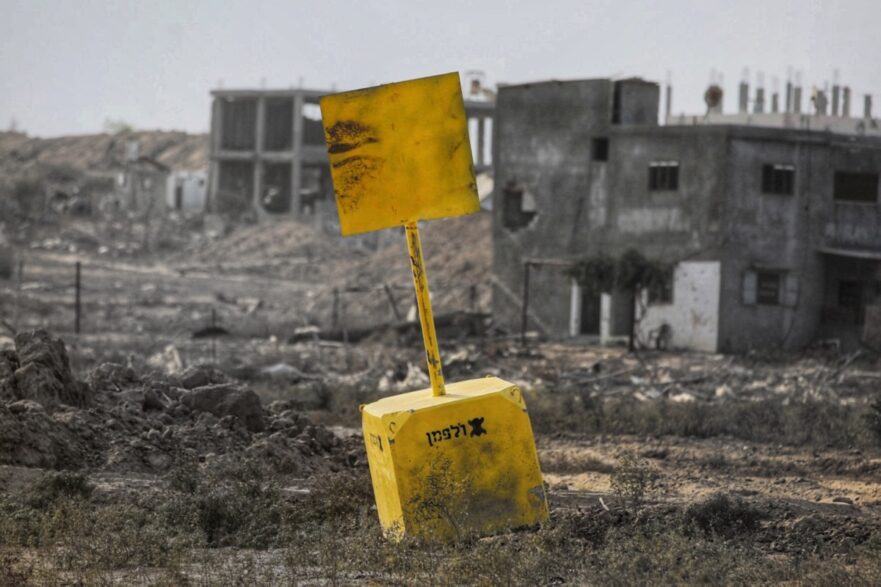
The discussion began with the reality on the ground in Gaza, where Israeli shelling and shootings were reportedly continuing despite the ceasefire. The area covered by Israel’s so-called “yellow line” had expanded to more than 70% of Gaza, while the number of aid trucks entering remained far below the agreed figure of 600 per day, averaging around 200 to 250.
The hosts also discussed the daily hardships caused by shortages of food, water and electricity. They examined how Western media coverage had framed the arrival of 3,200 aid trucks over three weeks as an increase, despite this amount representing only around four days of the required aid.
The conversation also addressed the dispute over Hamas disarmament and the upcoming Israeli elections. Hamas had indicated that it was prepared to hand heavy weapons to a Palestinian government body, but rejected handing them directly to Israel, while Netanyahu continued to demand disarmament. The hosts also examined polling on Israeli public attitudes towards settlers and Palestinian rights, arguing that the political problem extended well beyond Netanyahu.
They noted that major Israeli political parties had historically shared positions on issues such as settlement expansion and Jerusalem, while much of the political debate and public protest remained focused on Netanyahu rather than the broader policies affecting Palestinians. The episode also pointed to signs of changing attitudes internationally, including growing opposition among American Jews to the Israeli government’s actions and shifts in rhetoric around settler violence.
The episode is now available on Apple Podcasts and Spotify.